Shinto Philosophy & Guides
Welcome to Shinto Philosophy & Guides.
This sanctuary explores the deep-rooted animism, profound spirituality, and timeless wisdom of Japan’s indigenous tradition, connecting you to the sacred heartbeat of nature.To navigate this beautiful yet subtle tradition, we offer two distinct approaches. In Shinto Concepts & FAQs, we demystify the core logical frameworks, shrine rituals, and foundational beliefs that define this path. Meanwhile, Shinto & the Sacred Stories invites you into a world of personal narratives, raw reflections, and experiential journeys that show how a Shinto perspective shapes our relationship with the unseen and the sacred in daily life.Whether you are searching for intellectual clarity or a poetic, lived connection to the Kami and the natural world, these guides provide a comprehensive bridge to Japan’s spiritual heritage.
-
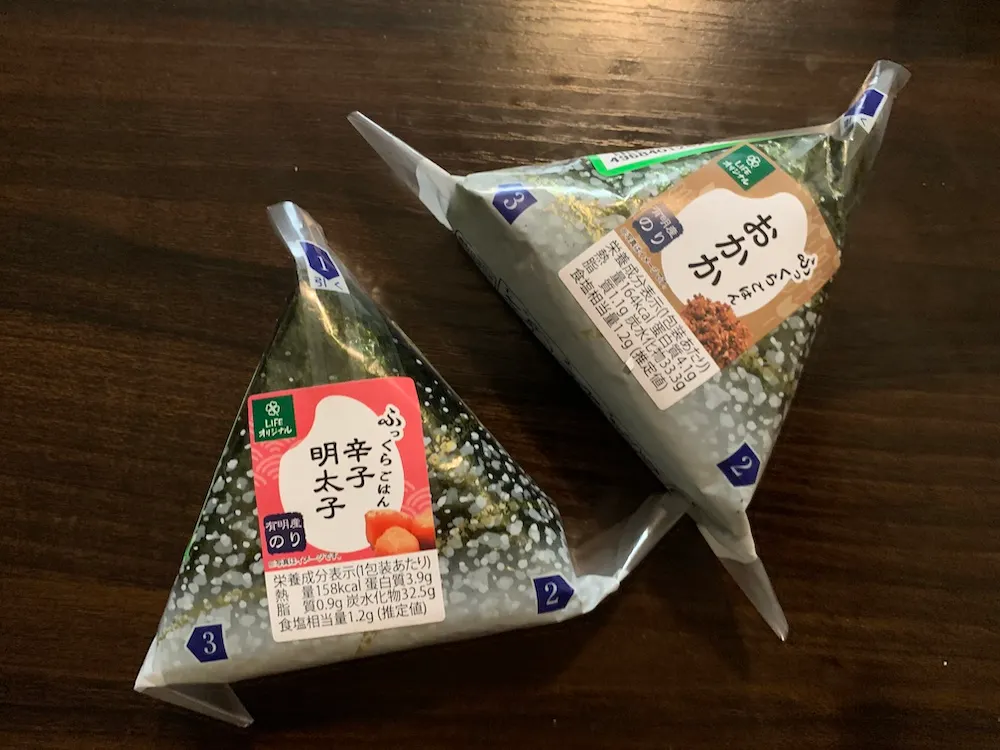
Mindful Eating through the Shinto Spirit of Gratitude
A few weeks ago, I watched a young woman from France sitting on the bench outside a Lawson near Shinsaibashi. She was holding a tuna mayo onigiri with both hands, reading the back of the package with the kind of…
-
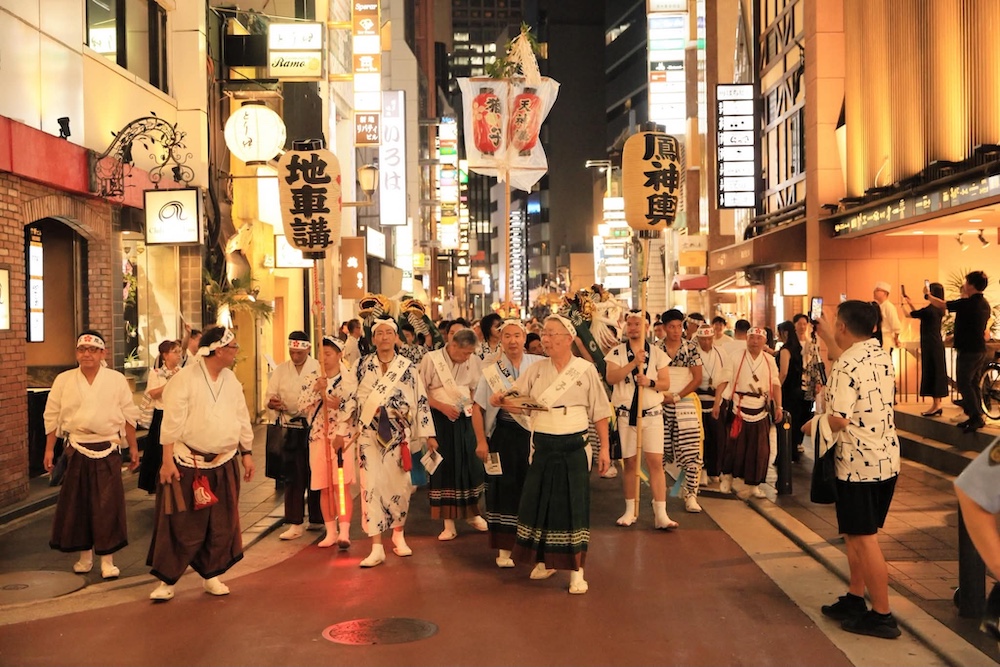
All of Osaka Performs a Rite that No One Quite Believes In
Every July the river through the middle of Osaka fills with lantern-light and drums. This year I went down to watch again, as I have most summers, and stood among the crowd on the bank while the boats of the…
-
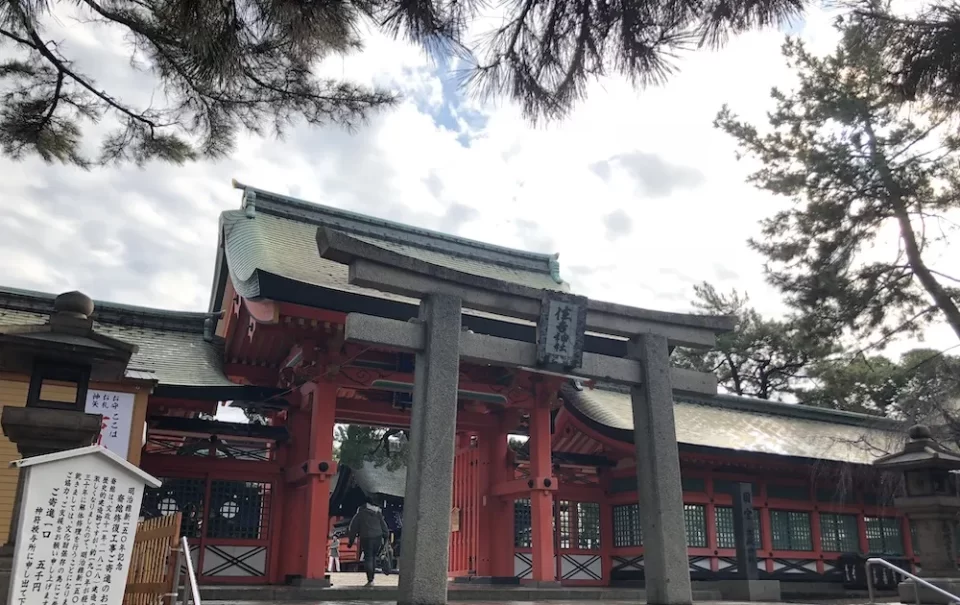
How Shinto Finds the Sacred in Ordinary Things
There Are No Gods Inside a Shinto Shrine If you visit a Shinto shrine for the first time expecting to find what you find in a church or a temple (e.g. an image or figure of the divine), you will…
-
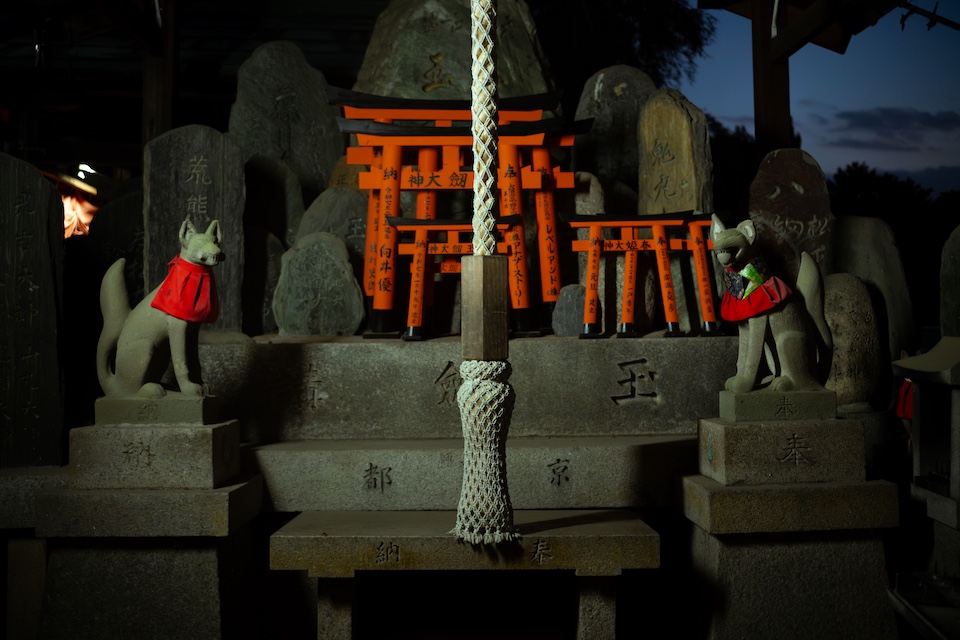
The Hidden Code Behind Japanese Behavior: What Onmyodo Taught Me About My Own Culture
Every January 1st, before the sun rises over Osaka, the Emperor of Japan steps outside, faces the four cardinal directions, and bows. He offers prayers to the deities of heaven and earth, the stars of the Big Dipper, and the…
-
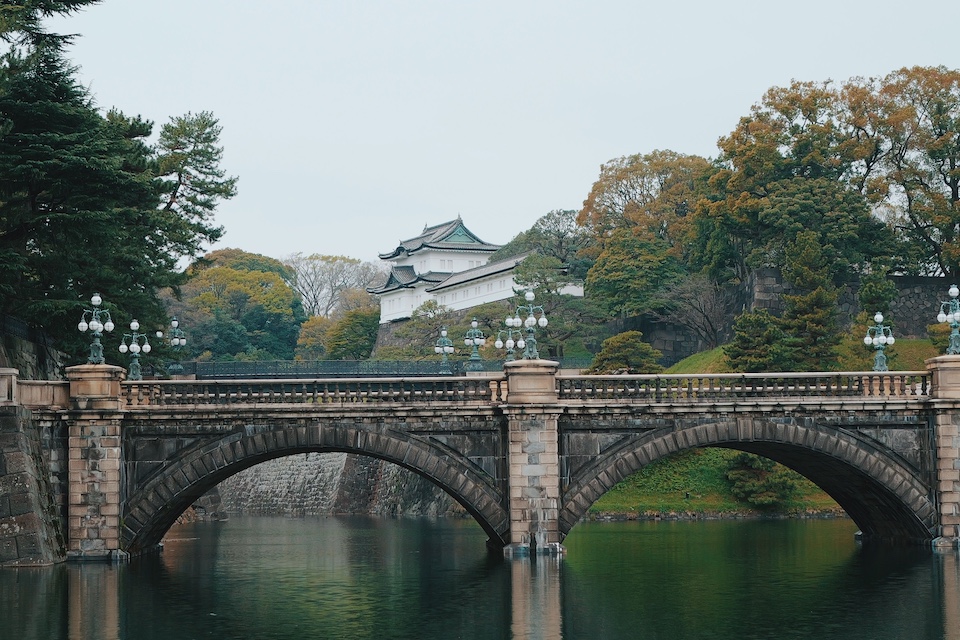
The Shinto Emperor: Why Japan’s Imperial Family Still Matters Spiritually
Whether you take that 2,600-year lineage at face value or treat the earliest figures as legendary, the continuity is real and extraordinary. The Chrysanthemum Throne has outlasted every other royal house on the planet. And the reason it has survived,…
-

Can a Robot Have a Soul? Shinto Animism in the Age of AI
In 2018, a Buddhist temple in Chiba Prefecture held a funeral service for 114 Sony AIBO robot dogs. A priest chanted sutras. Incense burned. The former owners had sent their robots there because the units could no longer be repaired,…
-
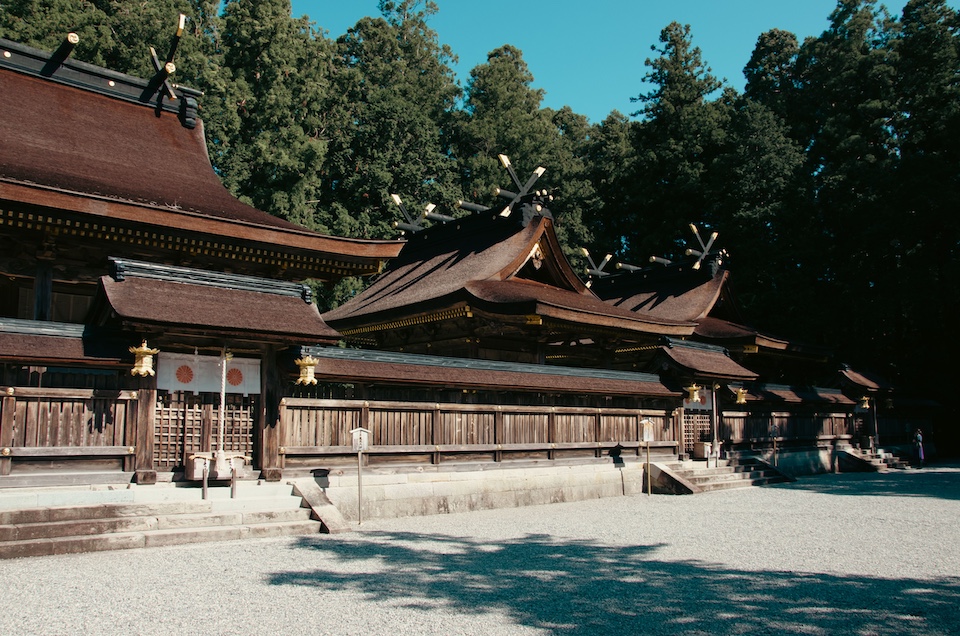
Why Ise Grand Shrine Is Rebuilt Every 20 Years: The Japanese Philosophy of Renewal
Every twenty years, the empty lot becomes the site of a new building, constructed from scratch using the same design, the same techniques, and the same type of Japanese cypress (hinoki) as the one beside it. When the new building…
-
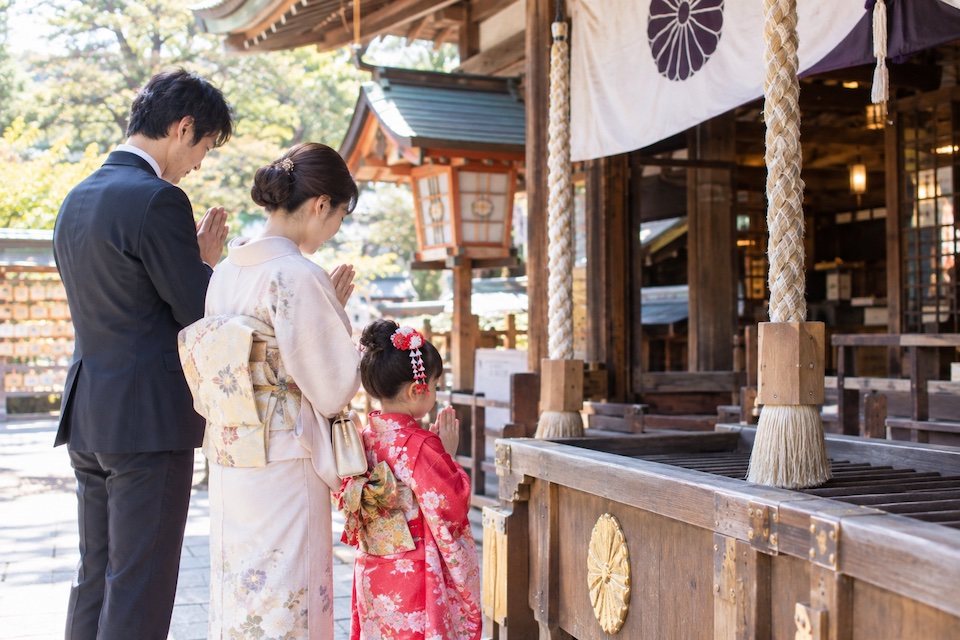
Born at a Shrine, Buried at a Temple: Shinto and the Japanese Life Cycle
In Japan, a newborn is carried to a Shinto shrine about a month after birth. Decades later, that same person’s ashes will be placed in a Buddhist temple. Between those two events, Shinto and Buddhism take turns marking the milestones.…
-
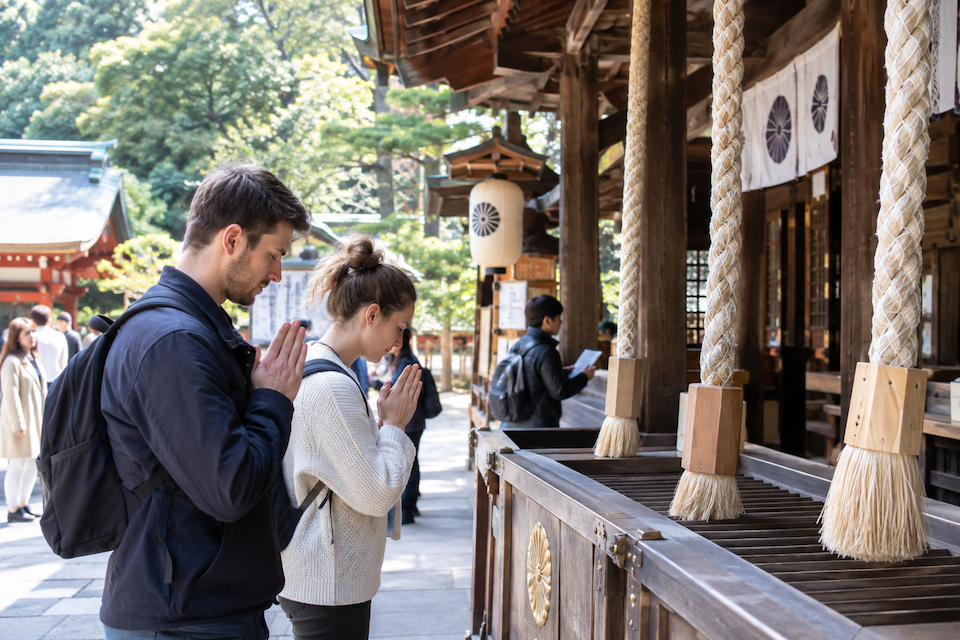
A Foreigner’s Guide to Visiting a Shinto Shrine (Without Feeling Lost)
The most common worry foreigners have before visiting a Shinto shrine is that they will do something wrong. They will bow at the wrong time. They will clap incorrectly. They will accidentally offend a god they do not understand. Here…
-

KonMari, Purification, and the Shinto Roots of Japanese Tidiness
Kondo has not described her method as explicitly Shinto, but the cultural soil it grows from is unmistakable. Thanking objects before discarding them. Greeting your house when you come home. Treating possessions not as inert things but as entities that…