Taoist Concepts & FAQs
Welcome to Taoist Concepts & FAQs, a structured knowledge base designed to clarify the paradoxes, foundational principles, and essential terminology of Taoist philosophy.The teachings of Lao Tzu and the Zhuangzi can often seem enigmatic or elusive to the analytical Western mind. In this section, we break down core elements—including the mystery of the Tao, the dynamics of Yin and Yang, the art of Wu-Wei (non-contriving action), and the cultivation of inner virtue (Te)—through precise explanations and practical, question-and-answer formats. Each article is tailored to resolve common inquiries and provide profound conceptual clarity.Explore these detailed guides and FAQs to build a solid intellectual foundation, allowing you to understand the flow of Taoism with absolute confidence and insight.
-

Lao Tzu Quotes for Hard Times, and a Few He Never Said
When life is heavy, reading a whole book of philosophy can feel impossible. A single line is sometimes all you can take in. That is one reason Lao Tzu quotes are shared so widely on social media. The trouble is…
-

Finding Your Tao: Why Japan Turned “the Way” into a Practice
Younger readers sometimes write to me with a question that sounds simple and isn’t: how do I find my Tao? What they usually mean is, how do I find my purpose? They have been told to follow their passion, build…
-

Yin and Yang Is Not a 50/50 Split: Rethinking Work-Life Balance
Most people recognize the yin-yang symbol. It appears on tattoos, skateboards, T-shirts, and phone cases. The black and white halves curl around each other inside a circle, each with a small dot of the other color. What gets lost in…
-

Zen vs Taoism: What’s the Difference, and Which One Fits You?
In the West, “Zen” has become an everyday word. People describe a tidy room or a calm afternoon as “very Zen.” Taoism is less familiar, but the two often get mixed together, sometimes in the same sentence on the same…
-

Taoism and Anxiety: Quieting an Overthinking Mind
When I guide younger students in zazen, the most common complaint is not sore legs. It is the mind. They sit down, fold their hands, and within a minute their head is full of plans, memories, arguments they had last…
-
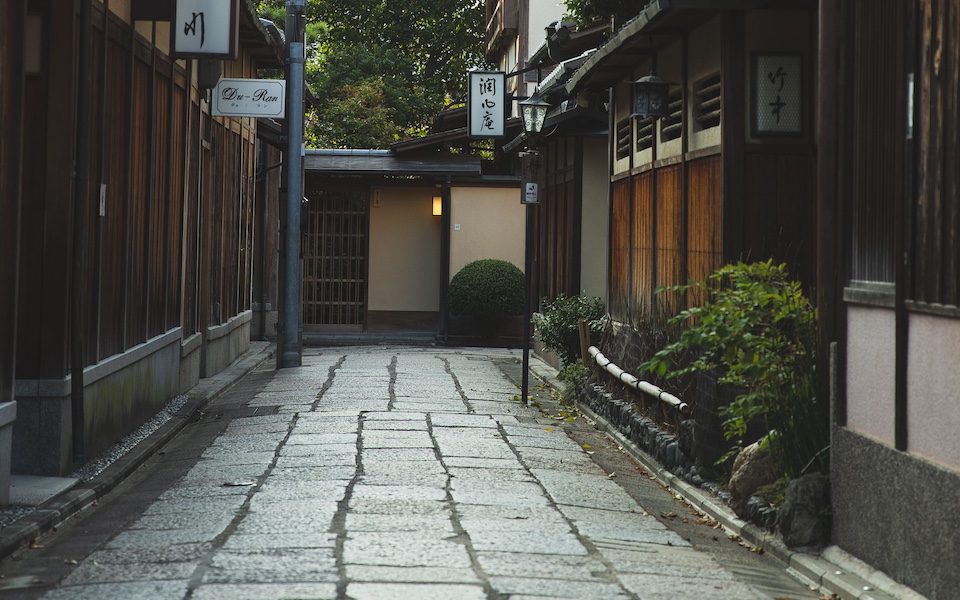
Enough: The Taoist Roots of Minimalism, Carved in a Kyoto Stone Basin
Most visitors to Ryoanji in Kyoto come for the rock garden. Fifteen stones on raked gravel, a low earthen wall, and crowds of people sitting on the veranda trying to understand what they are looking at. Around the back of…
-

Lao Tzu at Work: Leadership, Money, and Ambition in the Tao Te Ching
A large part of the Tao Te Ching was written as advice to rulers. We tend to read it today as a book of personal wisdom, but many chapters are about governing, managing people, and handling power. That makes it…
-
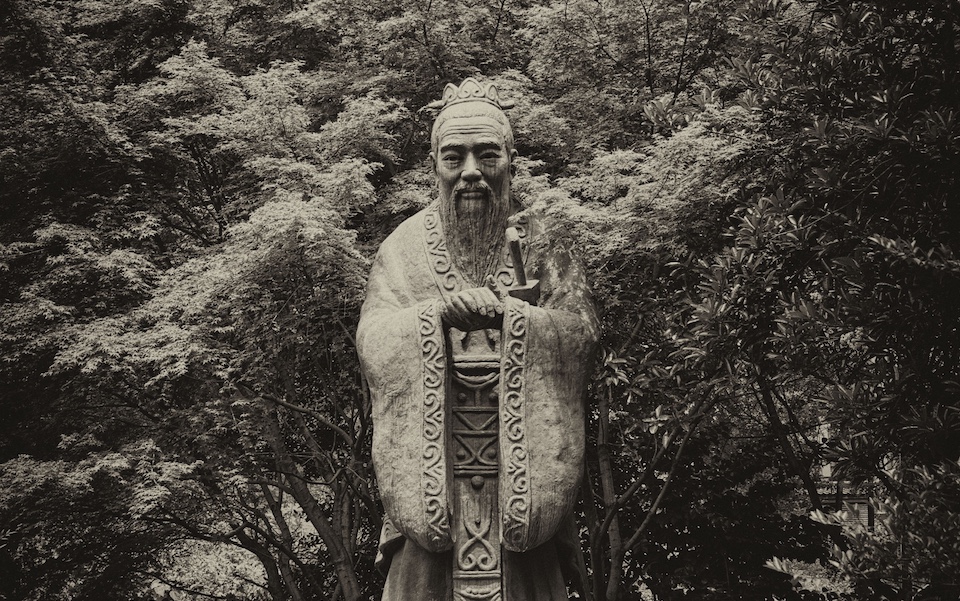
How to Be Like Water: Lao Tzu on Difficult People and Hard Situations
The highest good is like water Chapter 8 of the Tao Te Ching begins with a line that every Japanese student meets at some point: 上善は水の若し, the highest good is like water. Lao Tzu gives his reasons. Water benefits all…
-

What Wu Wei Really Means, and Why It Isn’t Laziness
Wu wei (無為) is usually translated as “non-action” or “doing nothing.” Both translations are accurate word for word, and both send readers in the wrong direction. I have met people who took it as permission to stop trying, and others…
-

Is Taoism a Religion? A Zen Practitioner’s Answer for Modern Readers
People who write to me about Lao Tzu often ask the same thing before anything else. They want to know whether reading the Tao Te Ching means joining something. Some grew up in Christian families and feel a little uneasy…