Concepts & FAQs
Welcome to Concepts & FAQs, a structured guide dedicated to clarifying the foundational principles, core terminologies, and philosophical frameworks of Buddhism and Zen.Eastern philosophy can often feel abstract or complex when translated for the modern Western mind. In this section, we demystify deep Buddhist concepts—such as emptiness (Shunyata), mindfulness, karma, and the nature of the self—through precise explanations and practical, question-and-answer formats. Each article is curated to answer the most common and profound inquiries, resolving doubts and providing immediate conceptual clarity.Explore these detailed guides and FAQs to build a solid intellectual foundation, allowing you to appreciate the depth of Zen traditions with absolute clarity.
-
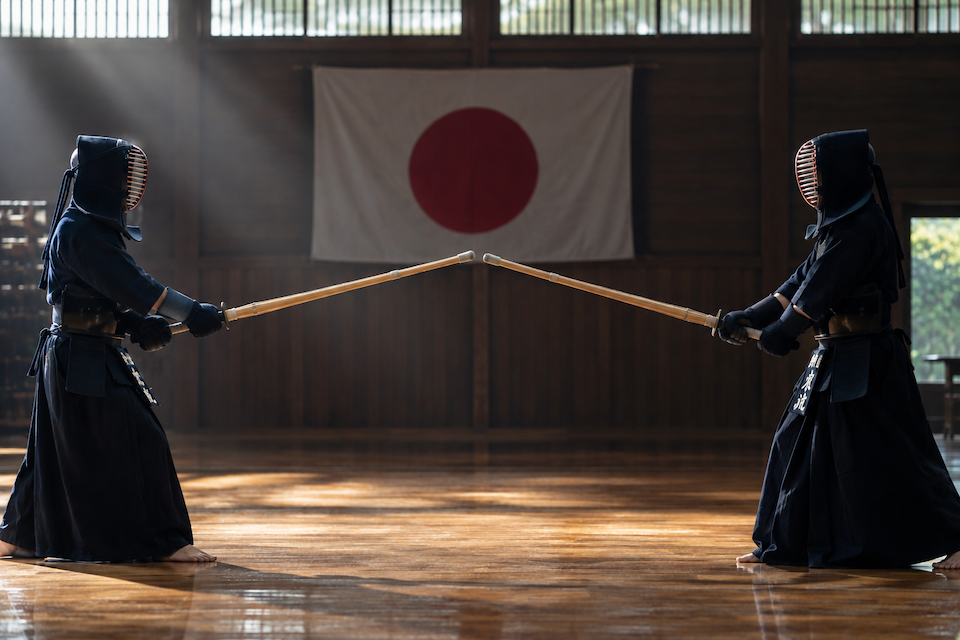
Ma (間) — The Japanese Concept of Meaningful Emptiness That Western Culture Keeps Trying to Fill
There is a word in Japanese that has no equivalent in English. The word is “ma” (間), and it refers to the space between things. Not empty space. Not dead air. Not a gap waiting to be filled. Ma is…
-
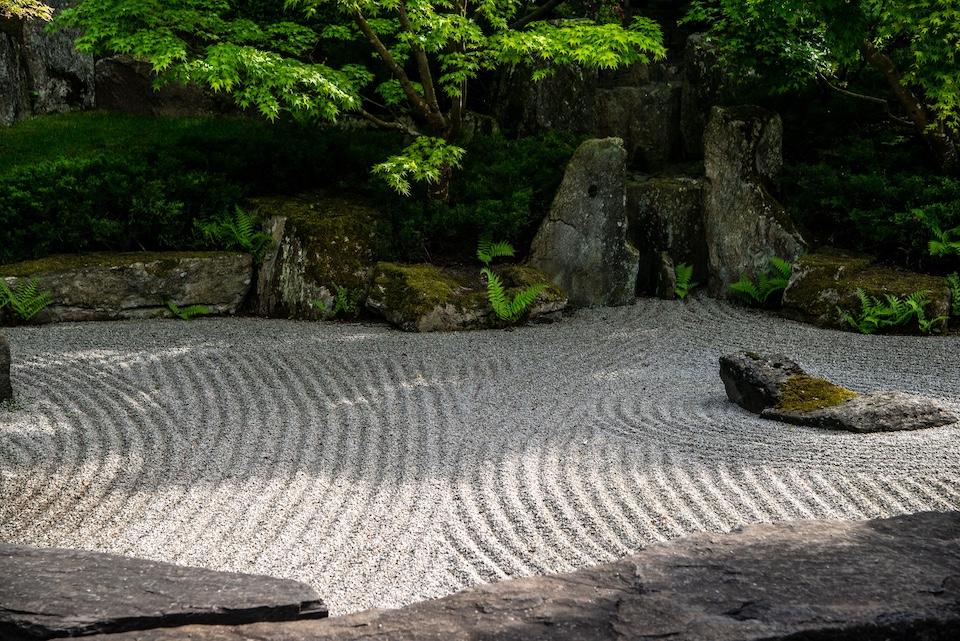
What the West Gets Wrong About Zen — Five Myths That Keep Spreading
Zen has a branding problem. Somewhere between the monastery walls of Kyoto and the shelves of Western bookstores, Zen got flattened into a mood: calm, minimal, serene. It became an adjective for spa bathrooms and a label for productivity apps.…
-
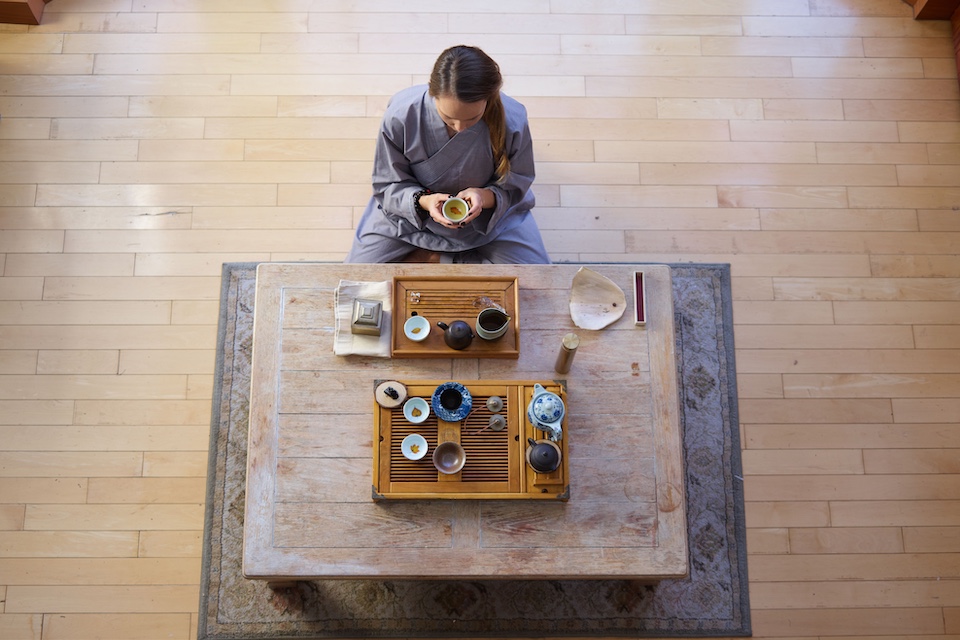
Ichigo Ichie (一期一会) — The Japanese Art of Treating Every Moment as a Once-in-a-Lifetime Event
There is a phrase written on a scroll in many Japanese tea rooms: 一期一会 (ichigo ichie). It translates roughly as “one time, one meeting,” and it expresses an idea so simple and so profound that most people hear it, nod,…
-
Beginner’s Mind (初心) — Why the Smartest Thing You Can Do Is Admit You Know Nothing
There is a famous Zen story about a university professor who visits a Zen master to learn about Zen. The master serves tea. He pours the professor’s cup full, and then keeps pouring. Tea spills over the rim, across the…
-
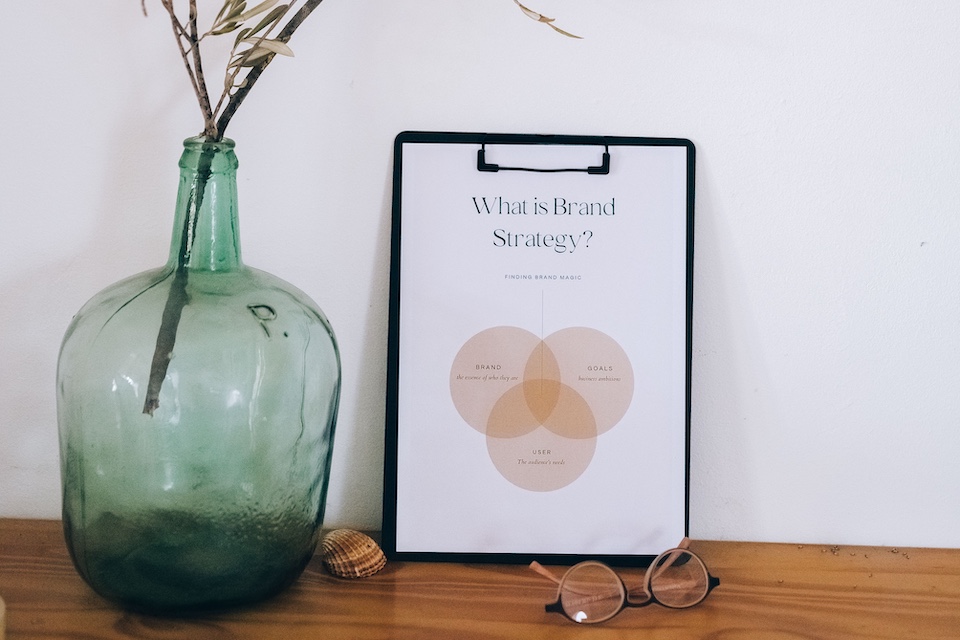
The Ikigai Myth — Why the Famous Venn Diagram Is Wrong (and What Japanese People Actually Mean)
You have probably seen the diagram. Four overlapping circles: What you love. What you are good at. What the world needs. What you can be paid for. At the center, where all four intersect, sits the word “ikigai,” presented as…
-

Wabi-Sabi Is Not an Interior Design Trend — The Real Philosophy Behind the Instagram Hashtag
Search #wabisabi on Instagram and you will find roughly the same images repeated thousands of times: handmade pottery with uneven glazes, linen fabric draped over wooden furniture, dried flowers in earthen vases, rooms with bare walls and natural textures. It…
-

Zen and Stoicism — Two Ancient Paths to the Same Mountain?
Marcus Aurelius and Dogen Zenji never met. They were separated by a thousand years, six thousand miles, and entirely different civilizations. Yet if you placed their writings side by side, you would find passages that seem to be in conversation…
-
The Buddha Tattoo Question — Cultural Appropriation, Respect, and What Japanese People Actually Think
I get this question often, usually asked with genuine anxiety. A Westerner wants to know: is it okay for me to have a Buddha statue in my living room? Is my Om tattoo offensive? Am I committing cultural appropriation by…
-

Soulmates, Red Threads, and En (縁) — The Buddhist View of Why You Met the People You Met
The Western world loves the idea of soulmates. One person, somewhere in the world, who is your perfect match. Destiny has chosen them for you. Your job is to find them, and when you do, everything falls into place. It…
-

How to Accept What You Cannot Change Without Giving Up on Life
There is a phrase in Japanese, “akirameru,” which is usually translated as “to give up” or “to resign yourself.” In modern usage, it carries a sense of defeat. But the word has an older, deeper root: “akirameru” comes from “akiraka…