Philosophical Concepts & FAQs
Welcome to Philosophical Concepts & FAQs, a structured guide dedicated to clarifying the foundational principles, core terminologies, and intellectual frameworks of Japanese and Eastern philosophy. Eastern ways of thinking can often feel abstract or vastly different when viewed through a Western lens. In this section, we demystify deep philosophical concepts by exploring the pivotal differences between Western and Japanese mindsets—such as contrasting notions of the self, time, nature, and dualistic thinking—through precise explanations and question-and-answer formats. Each article is curated to answer the most common inquiries, resolving doubts and providing immediate cultural clarity. Explore these detailed guides and FAQs to build a solid intellectual foundation, allowing you to appreciate the depth of Japanese intellectual traditions with absolute clarity.
-
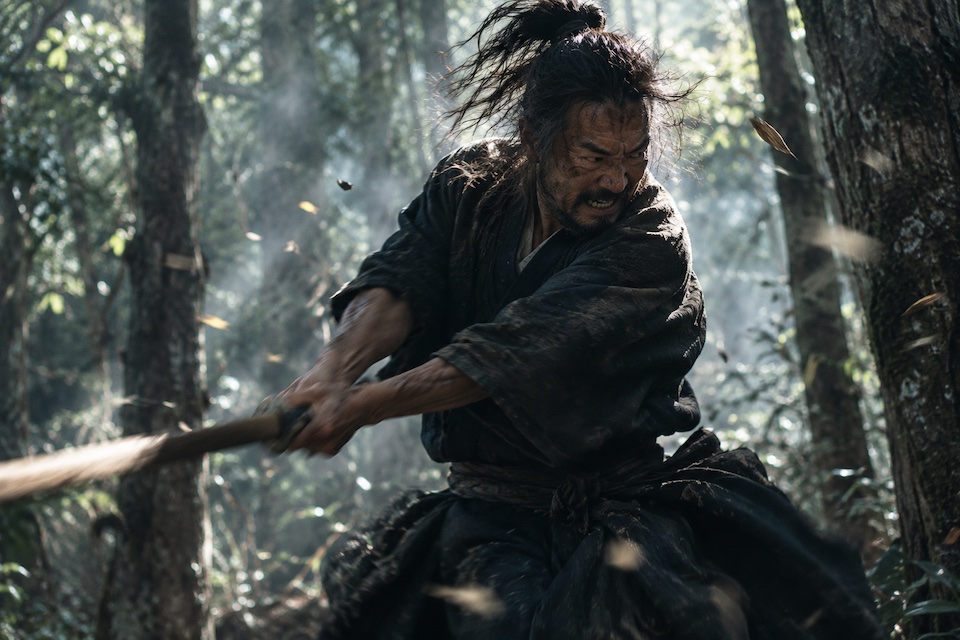
What Miyamoto Musashi Can Teach You About Competing in the Modern World
There is a particular kind of professional who reads The Book of Five Rings and immediately recognizes something they have been trying to articulate for years. Not because Musashi describes their industry or their market, but because he describes the…
-
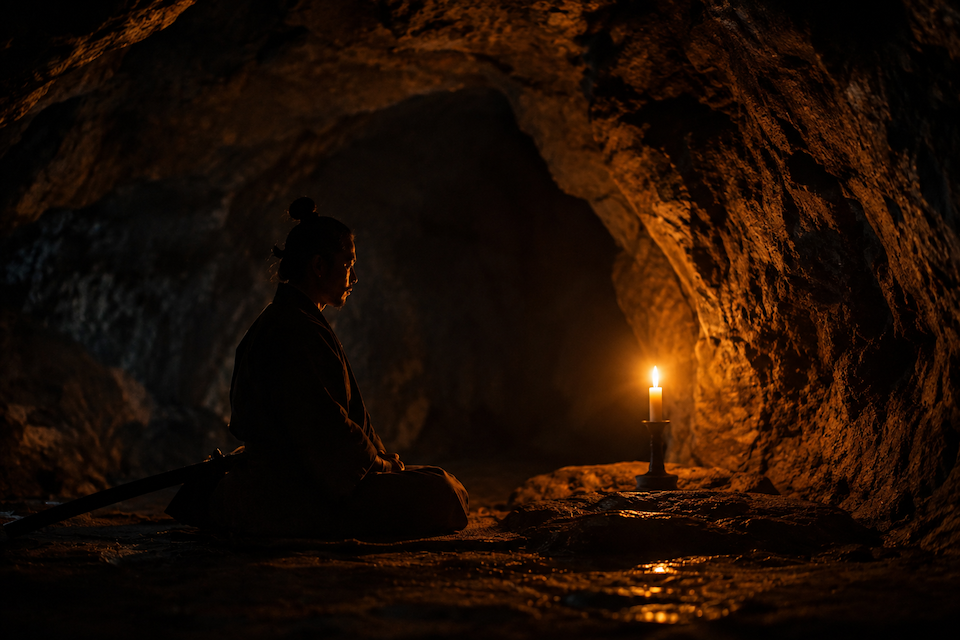
The Book of Five Rings: What It Is and Why You Should Read It
Miyamoto Musashi wrote The Book of Five Rings in a cave on a Japanese island, alone, in the final weeks of his life. He was 60 years old, had fought over 60 duels without a single defeat, and had spent…
-
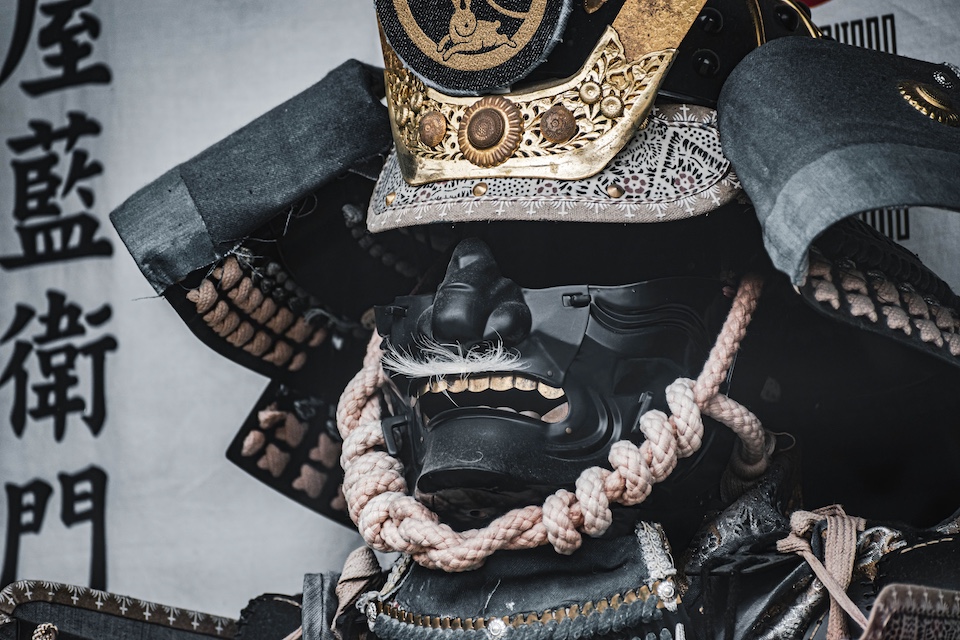
Bushido in Everyday Life: What the Samurai Code Offers a Modern Reader
Most of the things that made Bushido specific to its time no longer exist. There are no feudal lords to serve unto death. There is no sword that must be maintained as a matter of personal honor. The particular social…
-
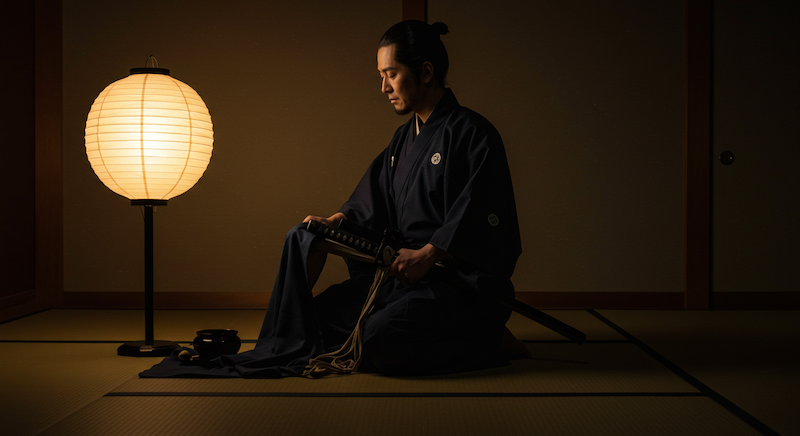
“Bushido Is Found in Dying”: What the Hagakure Really Means — and Why the Book of Five Rings Still Matters
Two samurai texts have found large audiences in the contemporary West, and both are routinely misread. The Hagakure (葉隠), written by Yamamoto Tsunetomo in the early 18th century, is most famous for a single line: “Bushido to wa, shinu koto…
-

Bushido vs. Chivalry: Two Warrior Codes That Look Similar but Rest on Opposite Foundations
At first glance, the parallel seems obvious. Medieval Europe produced the knight, bound by a code of chivalry that demanded honor, courage, and service to the weak. Feudal Japan produced the samurai, bound by Bushido — a way of the…
-

Iki: The Edo-Period Concept of Coolness That Western “Chic” Never Quite Captured
Someone walks into a room. Their clothes are understated — nothing loud, nothing expensive-looking, nothing that announces itself. But the way they move, the way they hold themselves, the ease with which they seem to occupy their own space —…
-
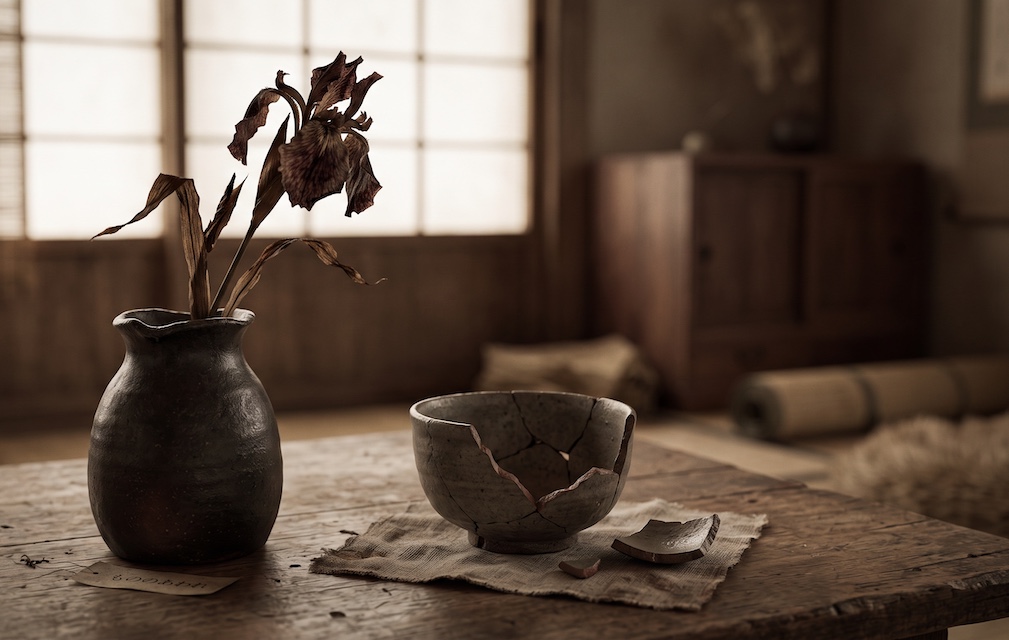
Mono no Aware and Yūgen: The Japanese Words for Feelings You Didn’t Know Had Names
You watch cherry blossoms fall in slow spirals, or you stand at the edge of a lake at dusk as the light goes, or you look at an old photograph of a place that no longer exists. Something moves in…
-
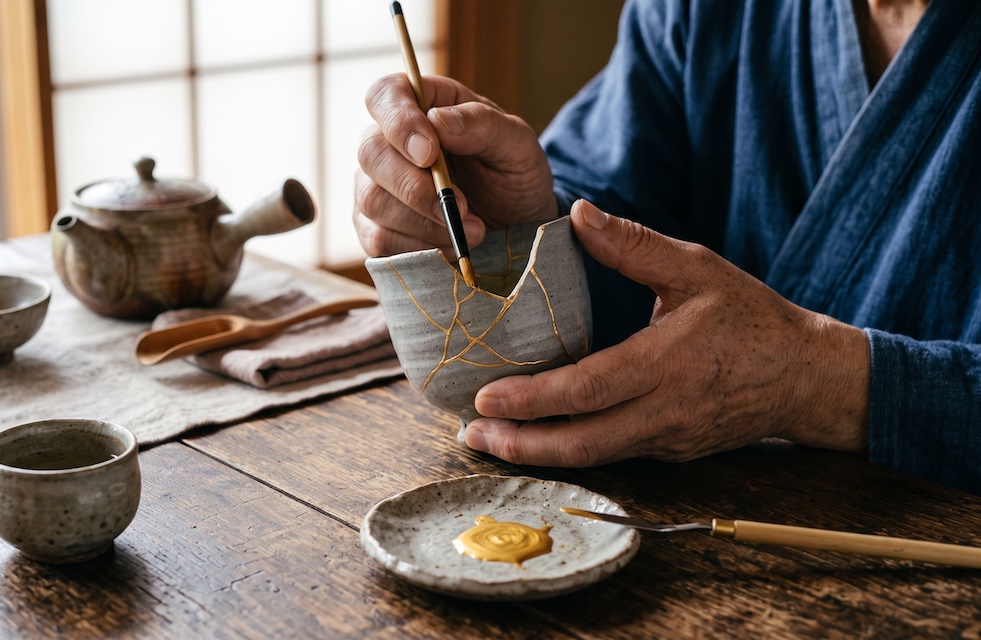
Kintsugi: Why Japan Repairs Broken Things with Gold Instead of Hiding the Damage
A bowl drops. It breaks into several pieces. You have two options. The first is to repair it so that the repair is invisible — to return it, as closely as possible, to what it looked like before it broke.…
-
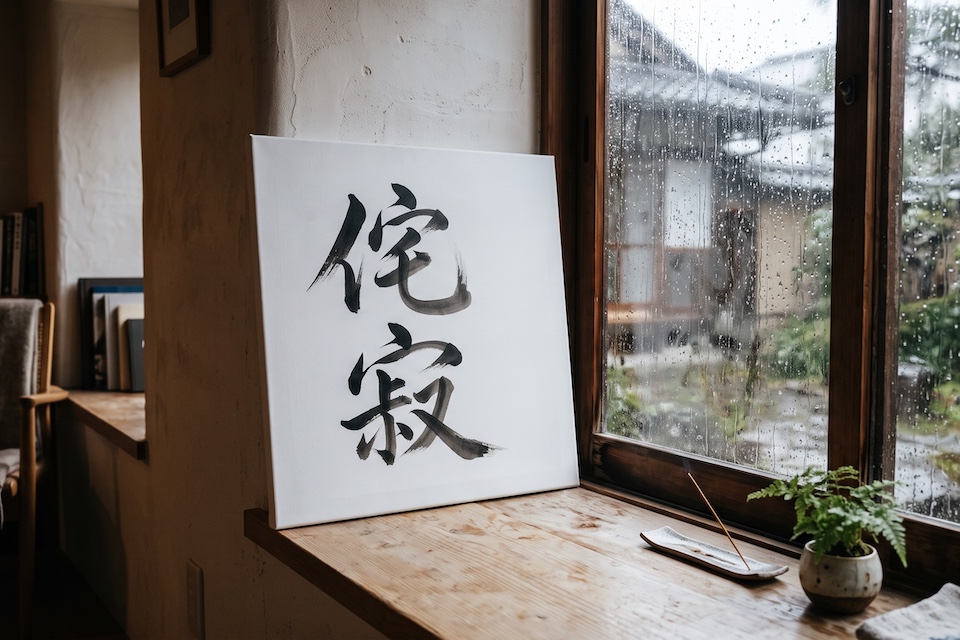
Wabi-Sabi Is Not a Design Trend — Here Is What It Actually Means
Search “wabi-sabi” in any major Western city and you will find it on candle labels, restaurant menus, interior design accounts, and wellness retreats. The word has become a shorthand for a certain kind of deliberate imperfection: rough textures, neutral colors,…
-
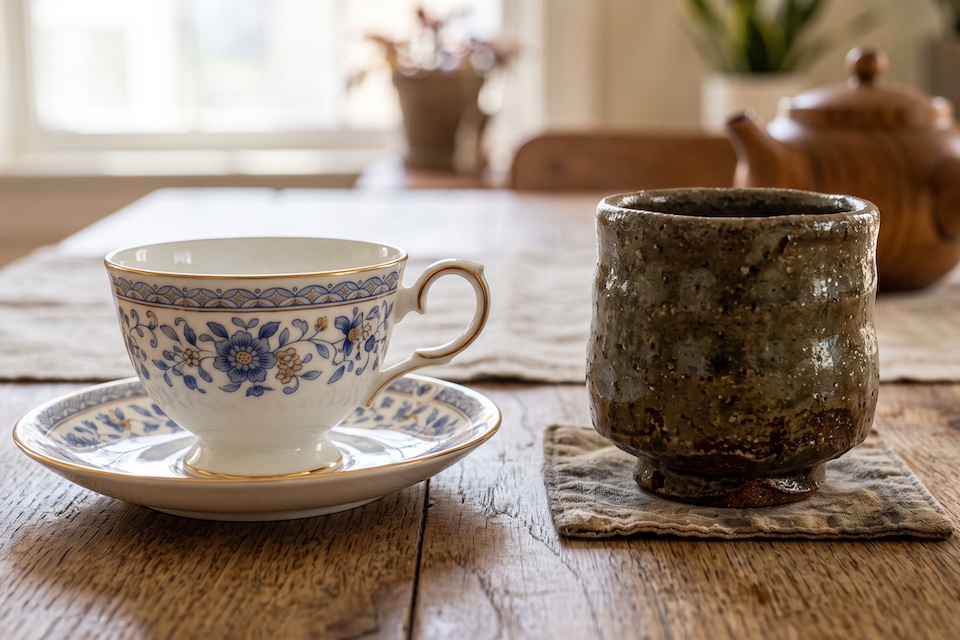
Why Japanese Aesthetics Sees the World Differently — A Complete Guide for Western Readers
Two Bowls on a Table Picture two tea bowls placed side by side. One is a flawless piece of white porcelain, perfectly symmetrical, smooth to the touch, with no variation in glaze or form. The other is slightly uneven, with…