Japanese Philosophy & Aesthetics
Welcome to Japanese Philosophy & Aesthetics.
This dedicated sanctuary explores the unique worldview of Japan, where deep philosophical inquiry and profound artistic sensibilities intertwine to offer a transformative lens for modern living. To enrich your journey, we approach this realm through two distinct but deeply connected paths. In Philosophical Concepts & FAQs, we dissect the logical underpinnings and core dualities of Eastern thought, specifically focusing on how Japanese and Western perspectives diverge on notions of the self, time, and nature. Meanwhile, Traditional Aesthetics & Stories invites you into a world of poetic resonance, utilizing intimate personal narratives and lived experiences to reveal how timeless ideals like Wabi-Sabi, Yugen, and Ma manifest in the everyday world. Whether you seek to intellectually compare global mindsets or wish to cultivate a deeply felt connection to the beauty of impermanence, these guides serve as your bridge to the heart of Japanese cultural consciousness.
-
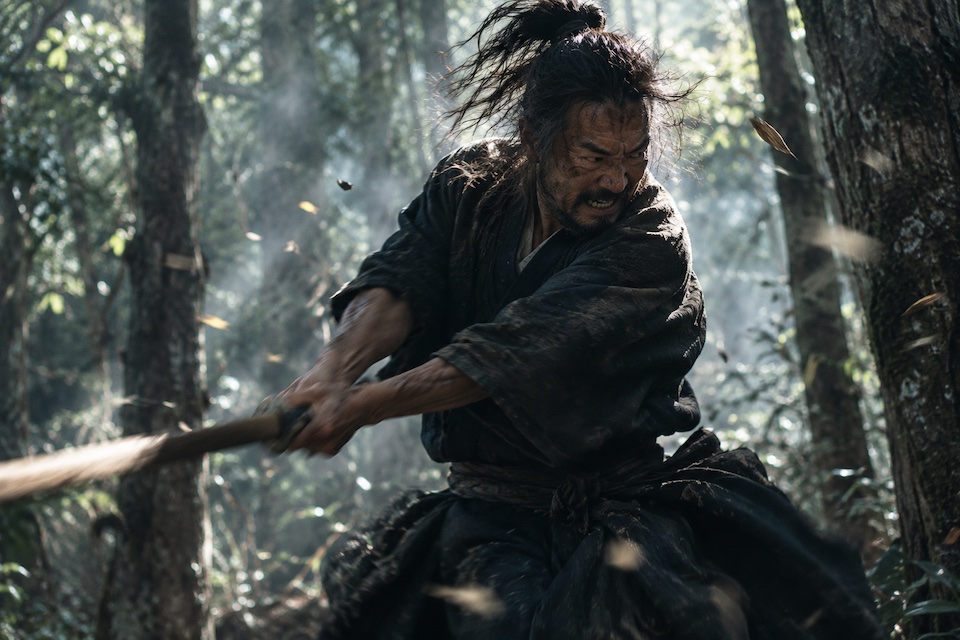
What Miyamoto Musashi Can Teach You About Competing in the Modern World
There is a particular kind of professional who reads The Book of Five Rings and immediately recognizes something they have been trying to articulate for years. Not because Musashi describes their industry or their market, but because he describes the…
-
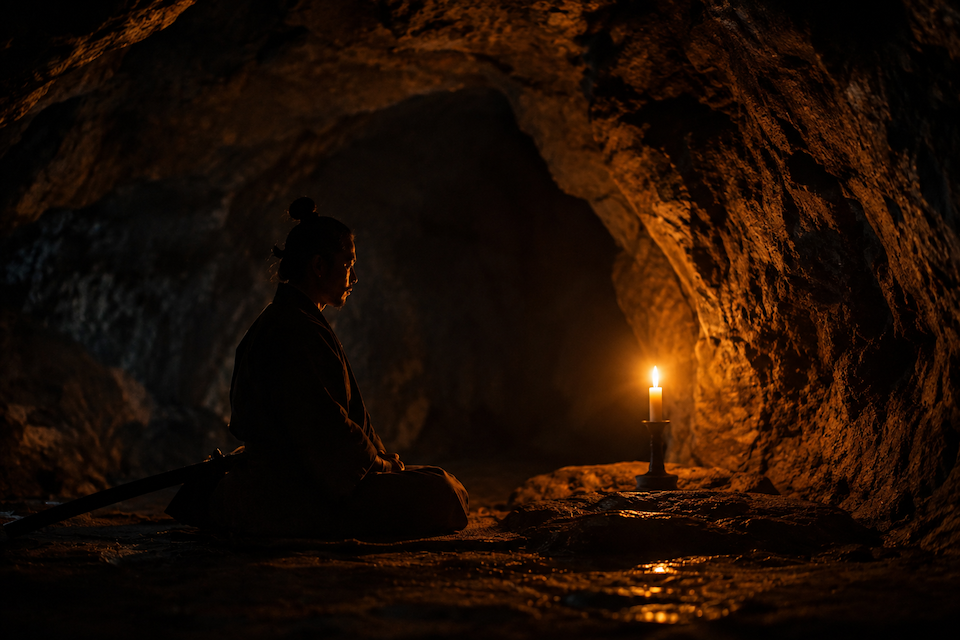
The Book of Five Rings: What It Is and Why You Should Read It
Miyamoto Musashi wrote The Book of Five Rings in a cave on a Japanese island, alone, in the final weeks of his life. He was 60 years old, had fought over 60 duels without a single defeat, and had spent…
-
The Book of Five Rings — The Earth Scroll: The Philosophy of Not Losing
There is a particular kind of person in any organization. Not the loudest voice in the room. Not necessarily the most decorated, the most credentialed, or the most visible. But the one who, when things start to go wrong, seems…
-
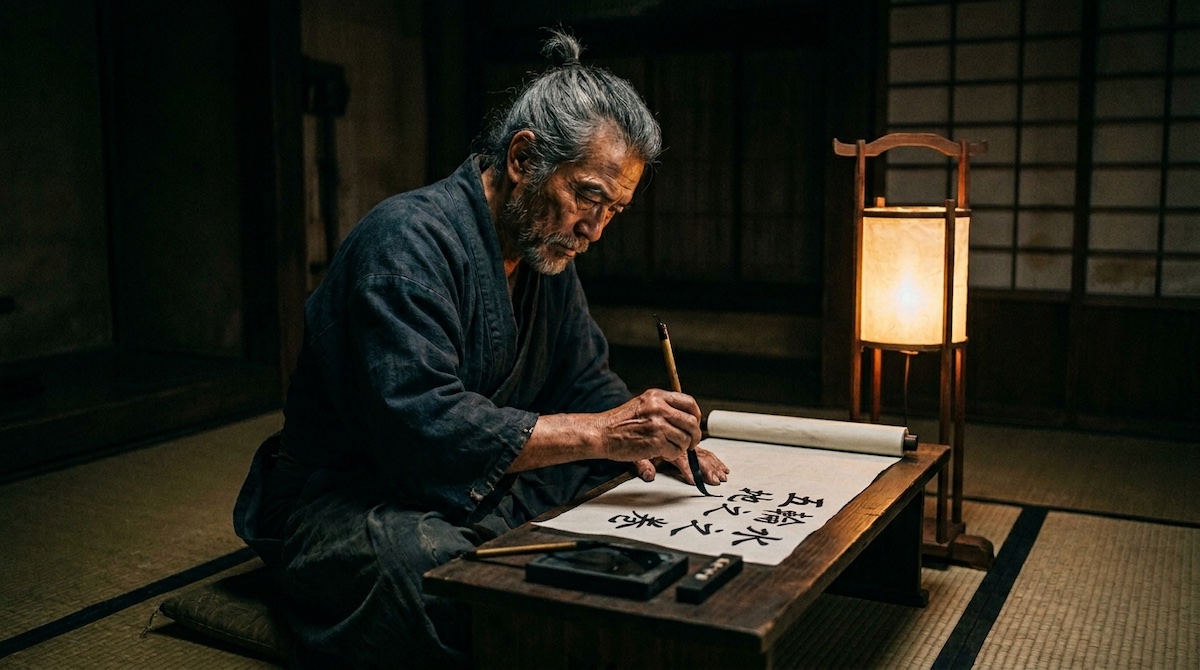
A Self-help Book Written by a Samurai, for Samurai — The Book of Five Rings: Before We Begin
Think about the people you’ve worked with over the years. Most of us, if we’re honest, fall somewhere on a spectrum between mildly competitive and quietly exhausted — reacting to small provocations, burning energy on turf wars that won’t matter…
-
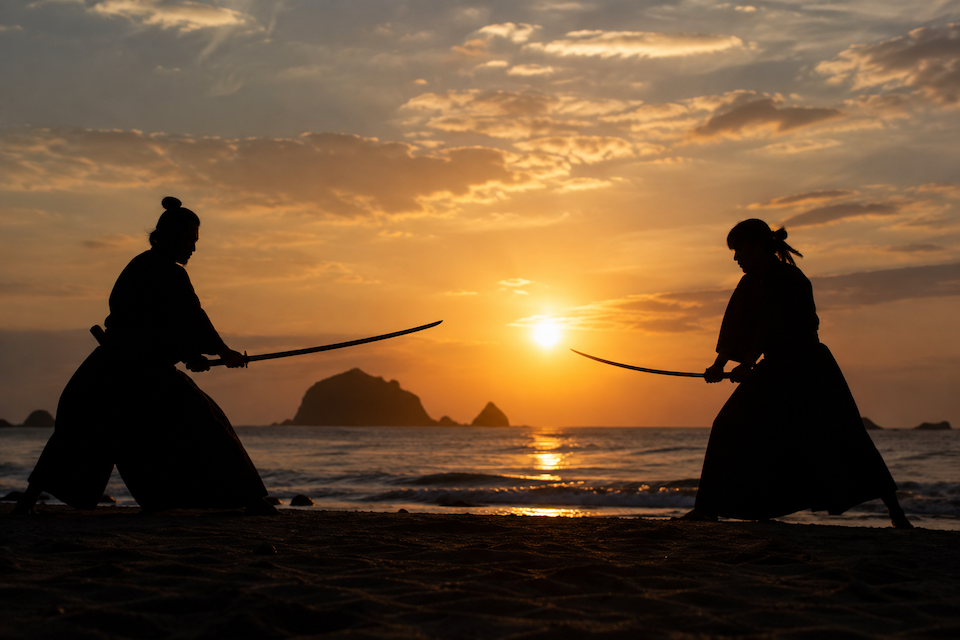
The Man Who Chose the Hard Way: Reading Yoshikawa’s Musashi as a Mirror
What Do You Think About When Death Gets Close? I don’t mean this as a dramatic opener. It’s a real question — one I find myself returning to whenever I read the final pages of Yoshikawa Eiji’s Musashi. There’s a…
-
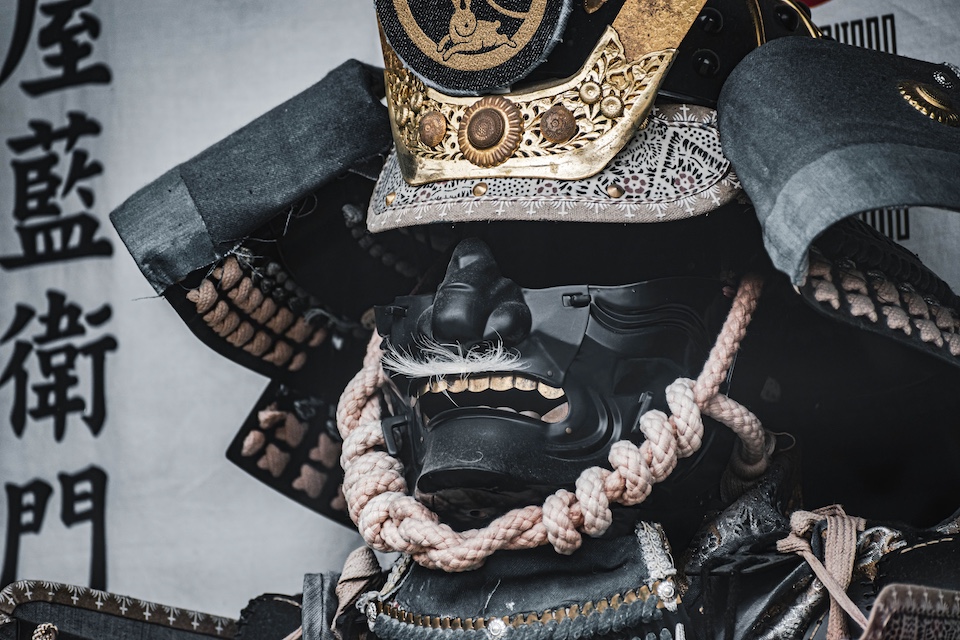
Bushido in Everyday Life: What the Samurai Code Offers a Modern Reader
Most of the things that made Bushido specific to its time no longer exist. There are no feudal lords to serve unto death. There is no sword that must be maintained as a matter of personal honor. The particular social…
-
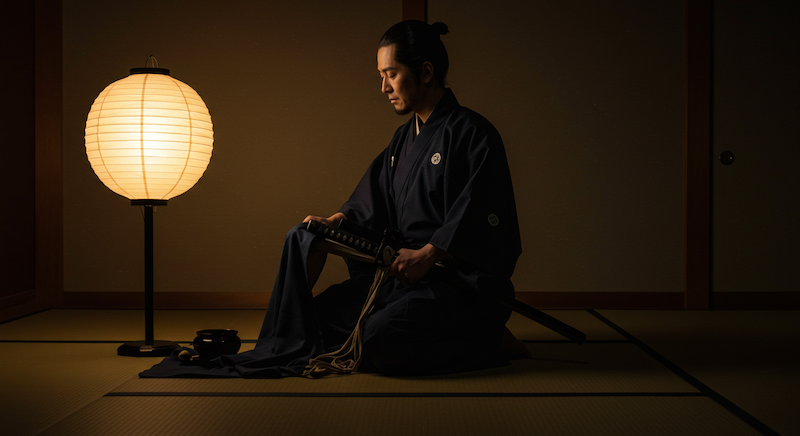
“Bushido Is Found in Dying”: What the Hagakure Really Means — and Why the Book of Five Rings Still Matters
Two samurai texts have found large audiences in the contemporary West, and both are routinely misread. The Hagakure (葉隠), written by Yamamoto Tsunetomo in the early 18th century, is most famous for a single line: “Bushido to wa, shinu koto…
-
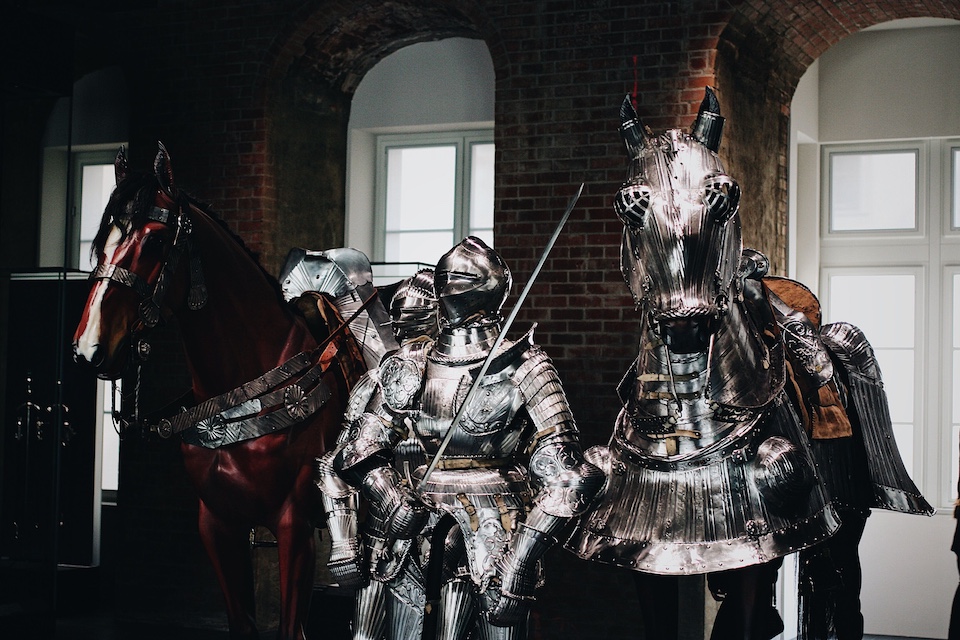
Bushido vs. Chivalry: Two Warrior Codes That Look Similar but Rest on Opposite Foundations
At first glance, the parallel seems obvious. Medieval Europe produced the knight, bound by a code of chivalry that demanded honor, courage, and service to the weak. Feudal Japan produced the samurai, bound by Bushido — a way of the…
-
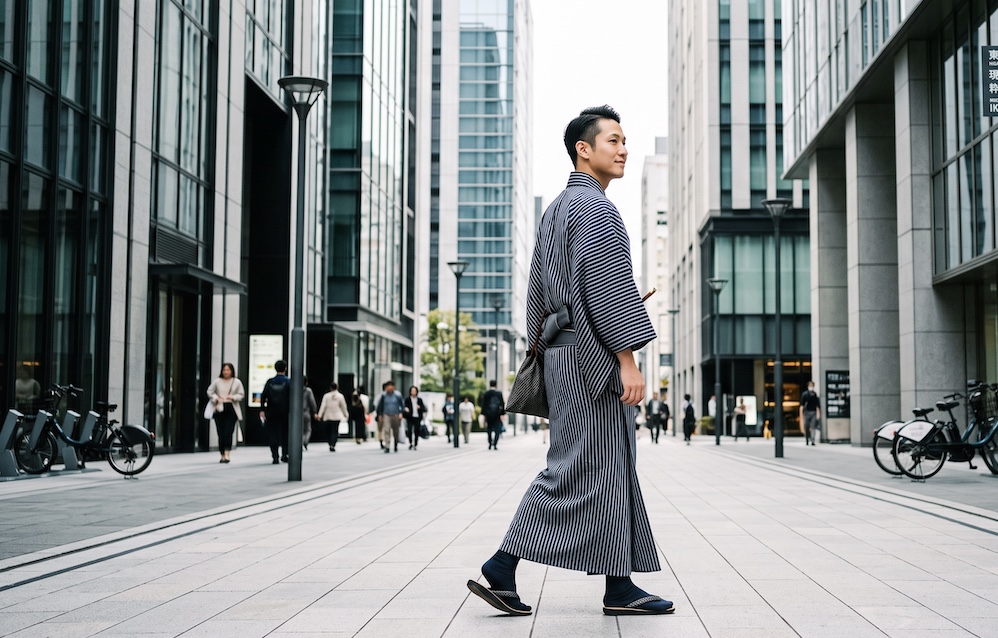
Iki: The Edo-Period Concept of Coolness That Western “Chic” Never Quite Captured
Someone walks into a room. Their clothes are understated — nothing loud, nothing expensive-looking, nothing that announces itself. But the way they move, the way they hold themselves, the ease with which they seem to occupy their own space —…
-
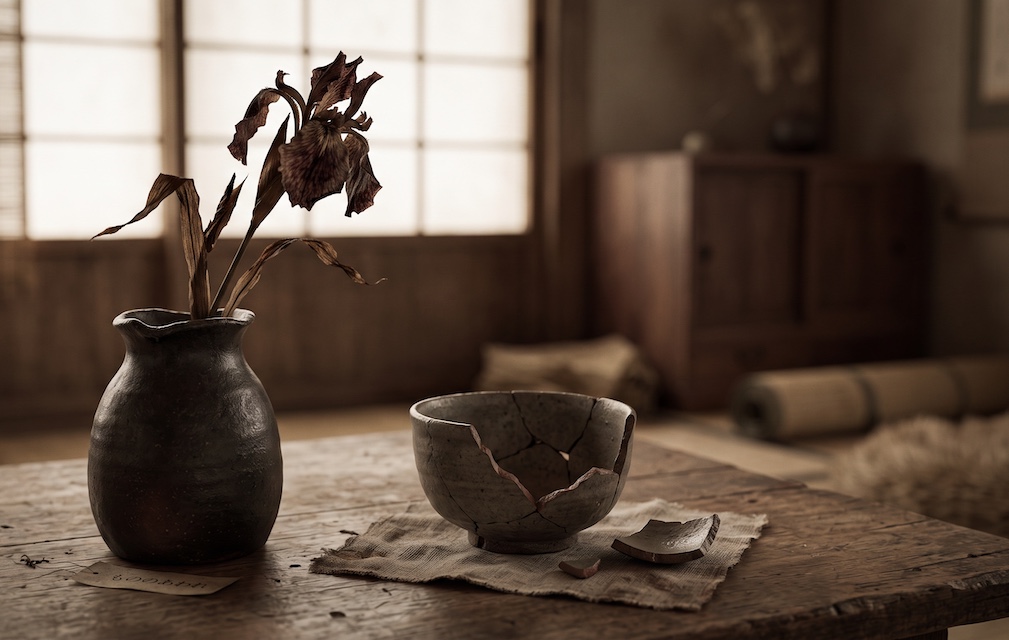
Mono no Aware and Yūgen: The Japanese Words for Feelings You Didn’t Know Had Names
You watch cherry blossoms fall in slow spirals, or you stand at the edge of a lake at dusk as the light goes, or you look at an old photograph of a place that no longer exists. Something moves in…