Taoism & Lao Tzu
Welcome to Taoism & Lao Tzu.
This dedicated sanctuary unpacks the profound, flowing wisdom of the Tao (The Way) and the ageless teachings of Lao Tzu, offering a compass for navigating modern complexity with natural ease.To help you integrate this subtle philosophy, we explore it through two interconnected paths. In Taoist Concepts & FAQs, we demystify the logical frameworks, historical contexts, and core paradoxes of Taoist thought. Meanwhile, Living the Tao invites you into a world of personal stories, quiet reflections, and raw, experiential narratives that demonstrate how the principle of Wu-Wei (effortless action) manifests in daily life.Whether you are searching for intellectual clarity on the standard texts or a poetic, lived connection to the rhythm of the universe, these guides serve as your bridge to ancient harmony.
-
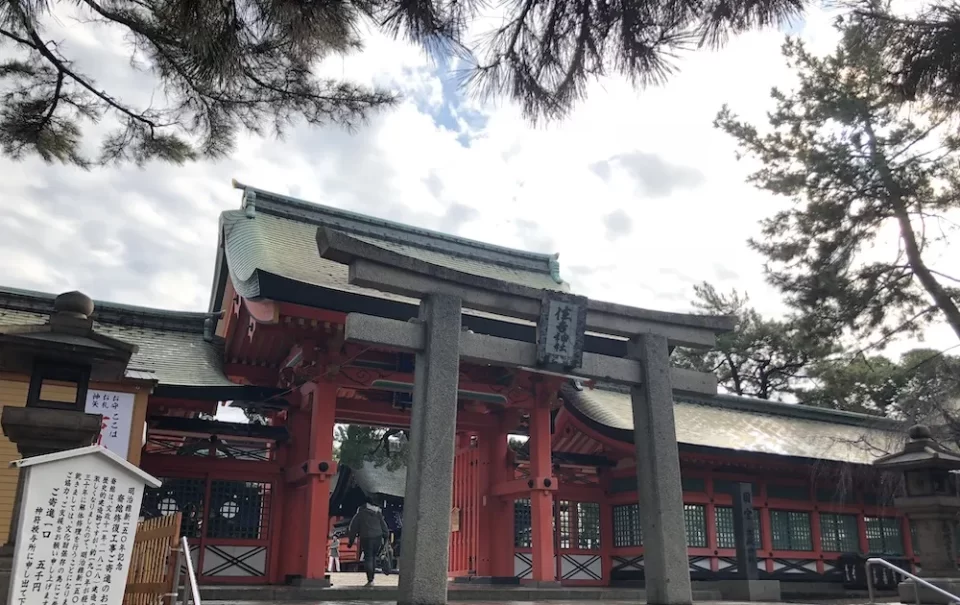
How Shinto Finds the Sacred in Ordinary Things
There Are No Gods Inside a Shinto Shrine If you visit a Shinto shrine for the first time expecting to find what you find in a church or a temple (e.g. an image or figure of the divine), you will…
-

Lao Tzu Quotes for Hard Times, and a Few He Never Said
When life is heavy, reading a whole book of philosophy can feel impossible. A single line is sometimes all you can take in. That is one reason Lao Tzu quotes are shared so widely on social media. The trouble is…
-

Finding Your Tao: Why Japan Turned “the Way” into a Practice
Younger readers sometimes write to me with a question that sounds simple and isn’t: how do I find my Tao? What they usually mean is, how do I find my purpose? They have been told to follow their passion, build…
-

Yin and Yang Is Not a 50/50 Split: Rethinking Work-Life Balance
Most people recognize the yin-yang symbol. It appears on tattoos, skateboards, T-shirts, and phone cases. The black and white halves curl around each other inside a circle, each with a small dot of the other color. What gets lost in…
-
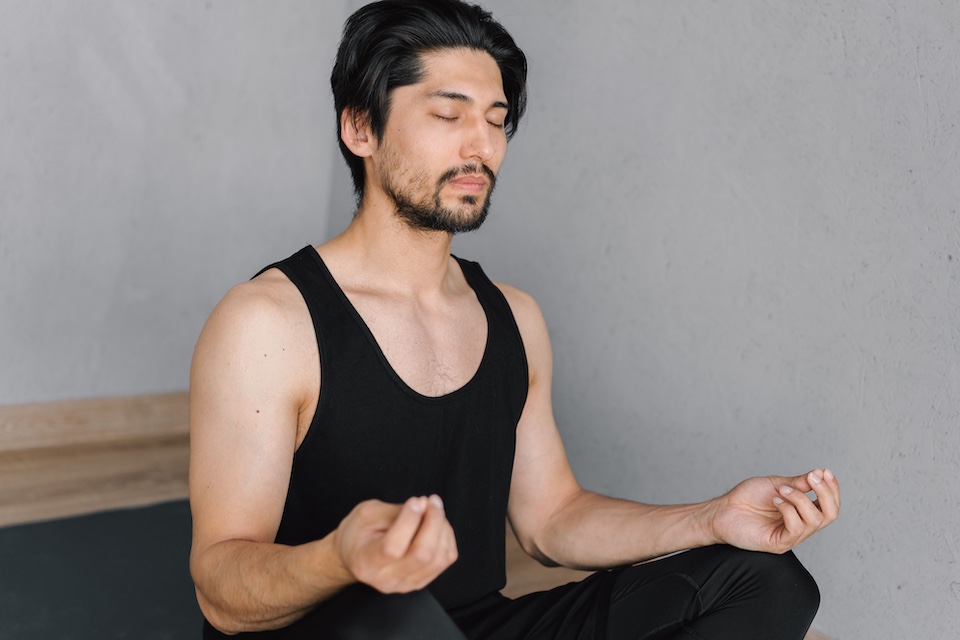
Zen vs Taoism: What’s the Difference, and Which One Fits You?
In the West, “Zen” has become an everyday word. People describe a tidy room or a calm afternoon as “very Zen.” Taoism is less familiar, but the two often get mixed together, sometimes in the same sentence on the same…
-

Taoism and Anxiety: Quieting an Overthinking Mind
When I guide younger students in zazen, the most common complaint is not sore legs. It is the mind. They sit down, fold their hands, and within a minute their head is full of plans, memories, arguments they had last…
-
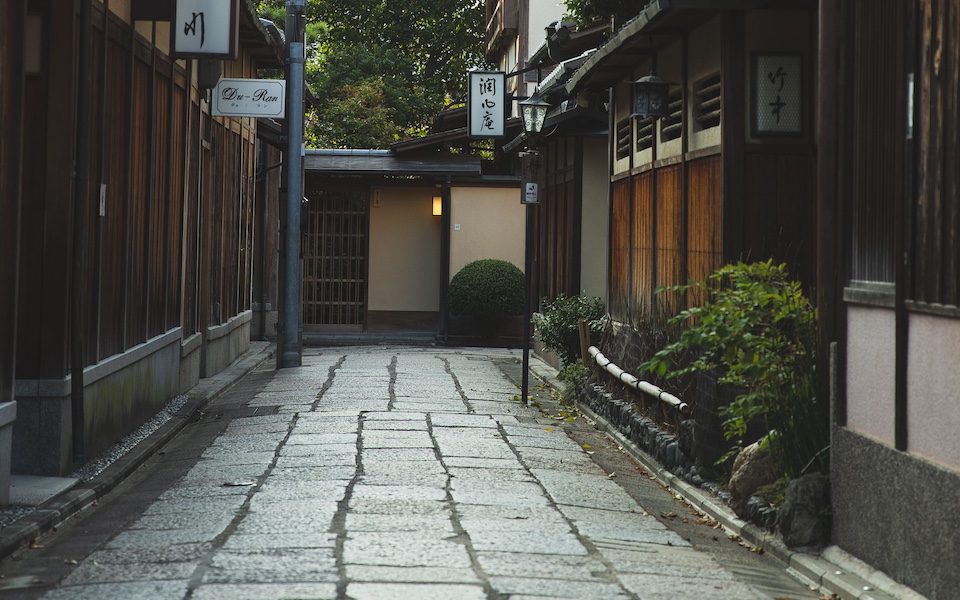
Enough: The Taoist Roots of Minimalism, Carved in a Kyoto Stone Basin
Most visitors to Ryoanji in Kyoto come for the rock garden. Fifteen stones on raked gravel, a low earthen wall, and crowds of people sitting on the veranda trying to understand what they are looking at. Around the back of…
-

Lao Tzu at Work: Leadership, Money, and Ambition in the Tao Te Ching
A large part of the Tao Te Ching was written as advice to rulers. We tend to read it today as a book of personal wisdom, but many chapters are about governing, managing people, and handling power. That makes it…
-
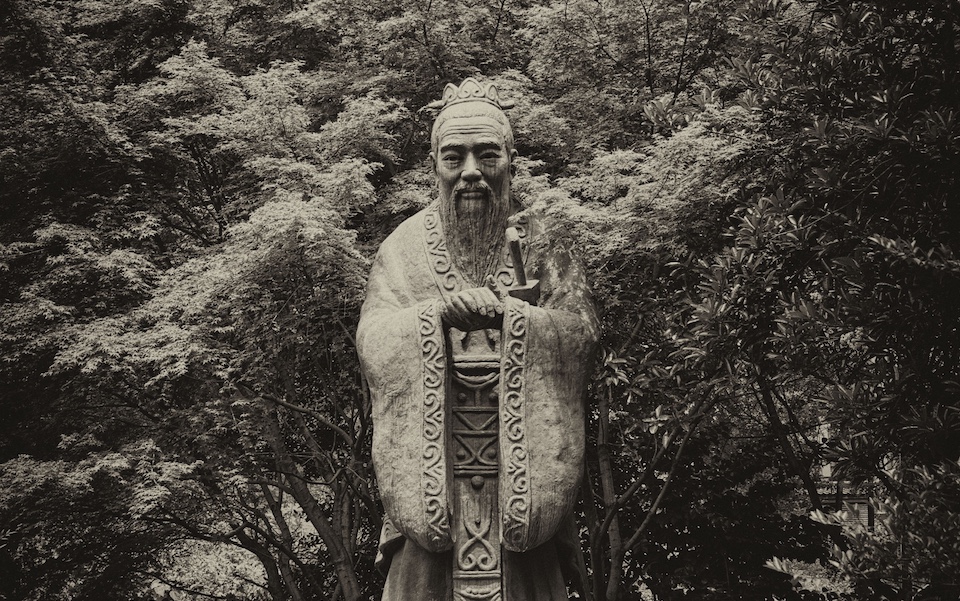
How to Be Like Water: Lao Tzu on Difficult People and Hard Situations
The highest good is like water Chapter 8 of the Tao Te Ching begins with a line that every Japanese student meets at some point: 上善は水の若し, the highest good is like water. Lao Tzu gives his reasons. Water benefits all…
-

What Wu Wei Really Means, and Why It Isn’t Laziness
Wu wei (無為) is usually translated as “non-action” or “doing nothing.” Both translations are accurate word for word, and both send readers in the wrong direction. I have met people who took it as permission to stop trying, and others…