Shinto Concepts & FAQs
Welcome to Shinto Concepts & FAQs, a structured knowledge base dedicated to demystifying the essential principles, sacred rituals, and unique worldviews of Japan’s indigenous tradition.Because Shinto lacks a single sacred text or founder, its deep philosophical concepts can often feel elusive to the Western mind. In this section, we break down core elements—including the nature of the Kami, the profound dynamics of purification (Harae), the concepts of purity and pollution (Kegare), and proper shrine etiquette—using precise explanations and clear, question-and-answer formats. Each article is crafted to address the most frequent and intricate inquiries, providing immediate conceptual clarity.Explore these detailed guides and FAQs to build a logical foundation, empowering you to understand and respect the subtle wisdom of Shinto traditions with absolute confidence.
-
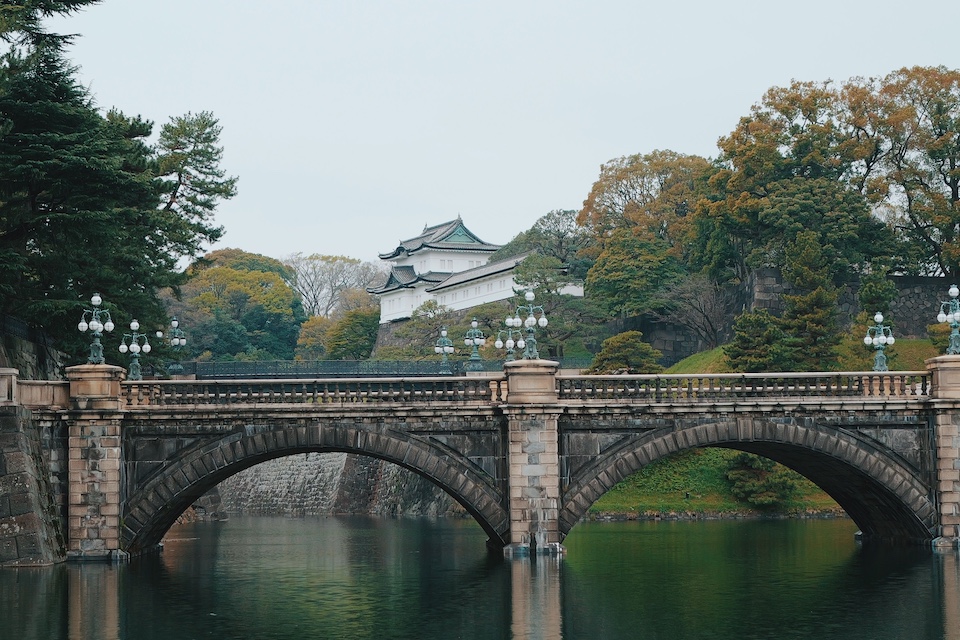
The Shinto Emperor: Why Japan’s Imperial Family Still Matters Spiritually
Whether you take that 2,600-year lineage at face value or treat the earliest figures as legendary, the continuity is real and extraordinary. The Chrysanthemum Throne has outlasted every other royal house on the planet. And the reason it has survived,…
-

Can a Robot Have a Soul? Shinto Animism in the Age of AI
In 2018, a Buddhist temple in Chiba Prefecture held a funeral service for 114 Sony AIBO robot dogs. A priest chanted sutras. Incense burned. The former owners had sent their robots there because the units could no longer be repaired,…
-
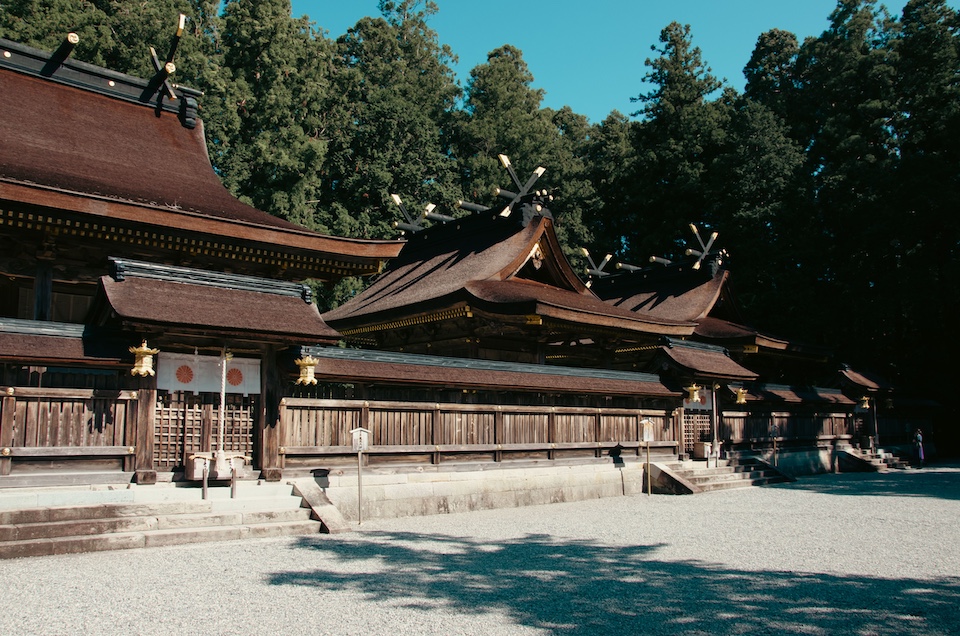
Why Ise Grand Shrine Is Rebuilt Every 20 Years: The Japanese Philosophy of Renewal
Every twenty years, the empty lot becomes the site of a new building, constructed from scratch using the same design, the same techniques, and the same type of Japanese cypress (hinoki) as the one beside it. When the new building…
-
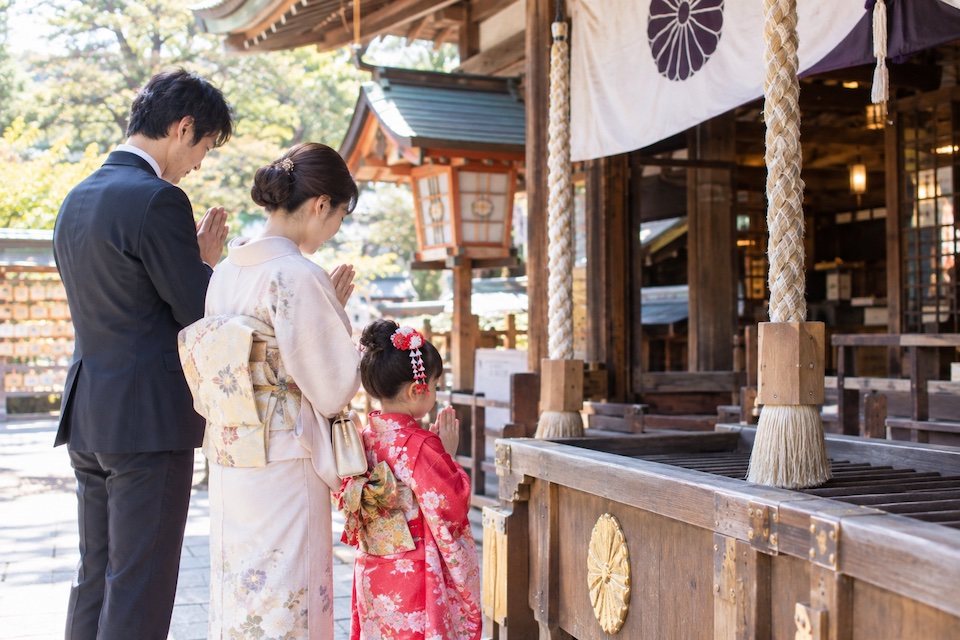
Born at a Shrine, Buried at a Temple: Shinto and the Japanese Life Cycle
In Japan, a newborn is carried to a Shinto shrine about a month after birth. Decades later, that same person’s ashes will be placed in a Buddhist temple. Between those two events, Shinto and Buddhism take turns marking the milestones.…
-
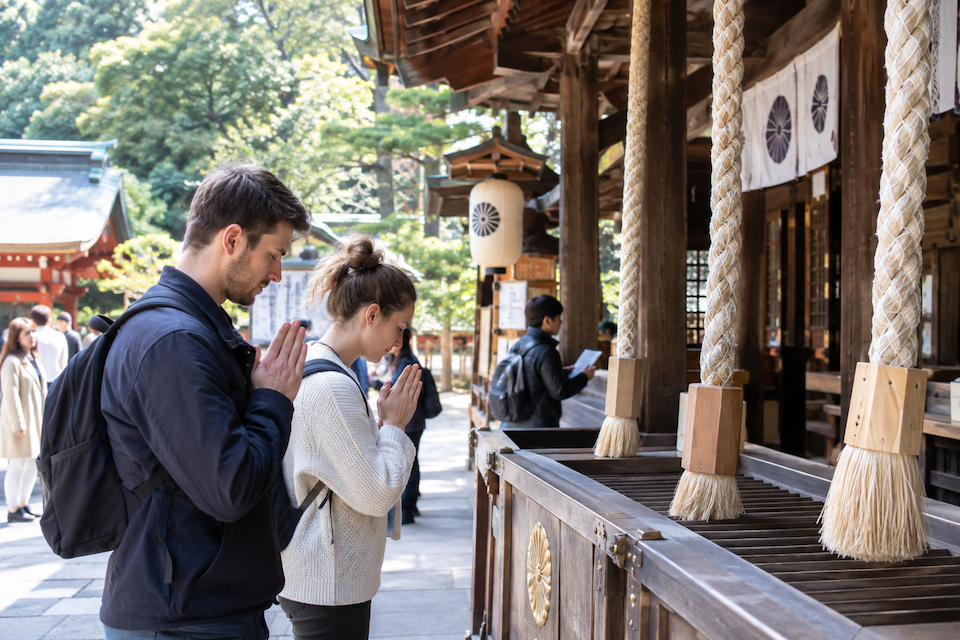
A Foreigner’s Guide to Visiting a Shinto Shrine (Without Feeling Lost)
The most common worry foreigners have before visiting a Shinto shrine is that they will do something wrong. They will bow at the wrong time. They will clap incorrectly. They will accidentally offend a god they do not understand. Here…
-

KonMari, Purification, and the Shinto Roots of Japanese Tidiness
Kondo has not described her method as explicitly Shinto, but the cultural soil it grows from is unmistakable. Thanking objects before discarding them. Greeting your house when you come home. Treating possessions not as inert things but as entities that…
-
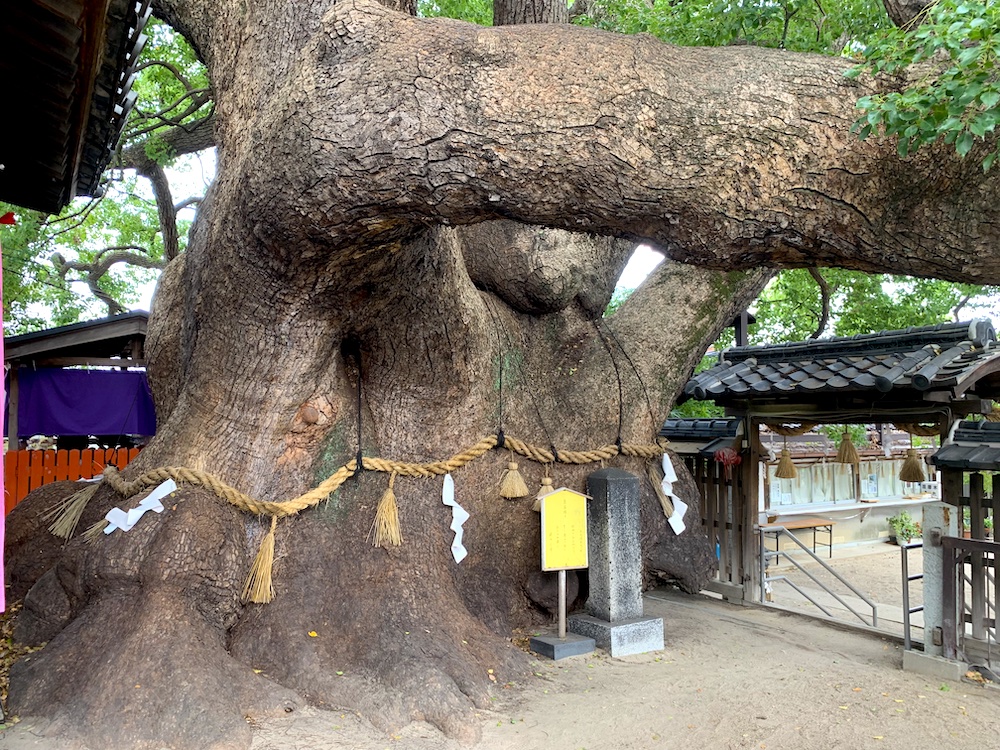
Sacred Trees, Holy Ropes, and Forest Bathing: Shinto’s Living Relationship with Nature
It will be old. Probably centuries old. Its trunk will be too wide for one person to wrap their arms around. And around that trunk, you will notice a thick rope made of twisted rice straw, hung with white paper…
-

Shrines in Studio Ghibli: The Shinto World Behind the Animation
They notice the beauty, of course. The forests feel alive. The rivers have personality. The old houses seem to breathe. But the specific worldview behind all of this, the reason Ghibli’s natural world feels so different from Disney’s, usually goes…
-
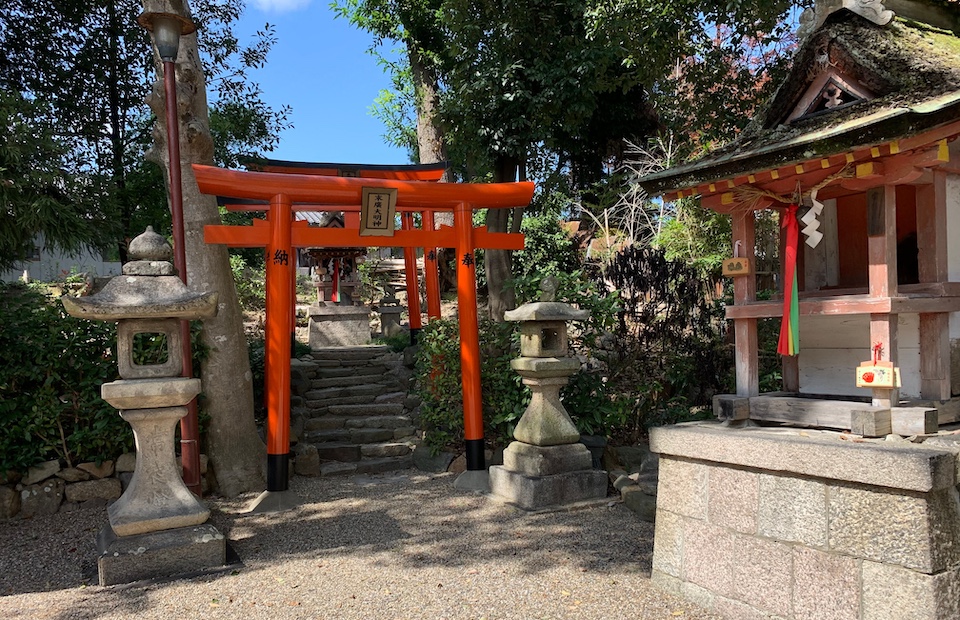
Shinto and Buddhism in Japan: Partners, Not Rivals
A Japanese baby is taken to a Shinto shrine weeks after birth for a blessing called miyamairi. That same person’s wedding might take place at a shrine, or at a Christian-style chapel (more on that later). When they die, the…
-
Eight Million Gods: How Japan Worships Without Conflict
A friend from the United States once asked me a question that stopped me cold. “If there are eight million gods in Japan, don’t they fight with each other? Who’s in charge?” He was thinking in terms of his own…